
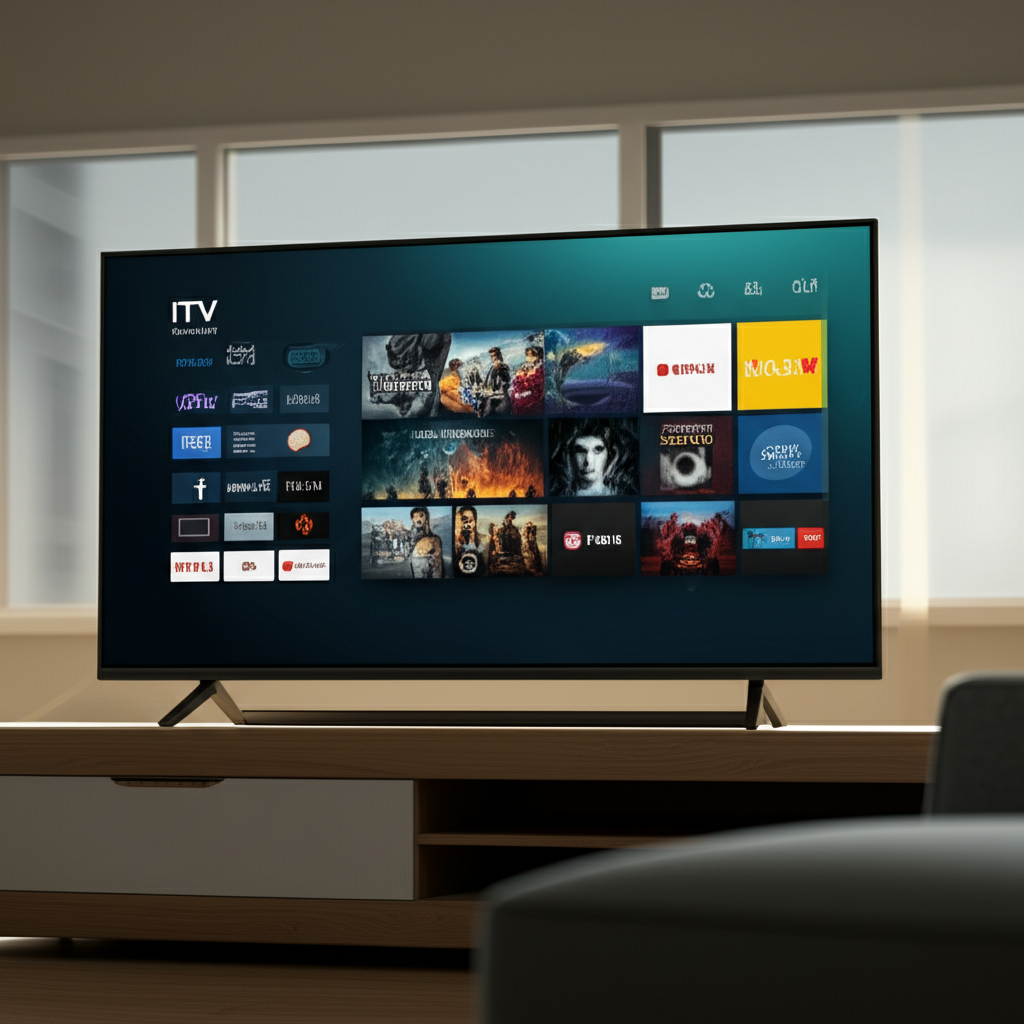
Navigating the World of Free Streaming: A Comprehensive Guide
Free IPTV services offer the tantalizing promise of television without limits—hundreds, sometimes thousands, of channels from around the world streamed directly to your device, all without a hefty monthly subscription. For cord-cutters and entertainment enthusiasts, this sounds like the ultimate goal. But as with anything that seems too good to be true, the world of free Internet Protocol Television (IPTV) is complex, filled with incredible opportunities and significant risks. This guide will unpack everything you need to know, from how it works to the potential pitfalls you must consider.
What Exactly is IPTV?
Before diving into the “free” aspect, it’s essential to understand the technology itself. IPTV stands for Internet Protocol Television. In simple terms, instead of receiving television signals through traditional methods like terrestrial broadcast, satellite, or cable, IPTV delivers video content over the internet.
When you watch Netflix, YouTube TV, or Hulu, you’re technically using a form of IPTV. However, the term is more commonly associated with services that replicate the traditional live TV experience, complete with channel lineups and an electronic program guide (EPG), all delivered through an internet connection.
The Appeal of Going Subscription-Free
The primary driver behind the search for free IPTV is, without a doubt, cost. With subscription fatigue setting in and the cost of cable and premium streaming services rising, the idea of accessing a vast library of content for free is incredibly appealing. Users are often drawn to:
Global Content: Access to international channels, news, and sports that aren’t available through local providers.
Live Sports: The ability to watch premium sporting events without expensive packages.
Vast Movie & TV Show Libraries: Access to video-on-demand (VOD) content, often including new releases.
No Contracts: The freedom from being locked into a lengthy and expensive contract with a cable or satellite company.
Unpacking the Risks and Legality of Free IPTV Services
This is the most critical aspect to understand. While the technology itself is perfectly legal, the content provided by many free services often is not. Most free IPTV providers operate in a legal gray area at best, and are often outright illegal.
The Legal Gray Area
Legitimate broadcasters pay enormous fees for the rights to distribute content in specific regions. Many free IPTV services bypass these licensing agreements entirely, capturing and redistributing copyrighted broadcasts without permission. This is copyright infringement. While enforcement has historically targeted the providers, users are not entirely immune from potential legal consequences, depending on their local laws.
On the other hand, there are legally free IPTV sources that compile publicly available, free-to-air channels. These are perfectly legal to watch. The challenge is distinguishing between these legitimate streams and the pirated ones, as they are often mixed in the same playlists.
Security and Performance Concerns
Beyond the legal questions, free services come with a host of practical problems:
Buffering and Unreliability: Free servers are often overloaded and under-maintained, leading to constant buffering, poor picture quality, and channels that disappear without warning.
Malware and Viruses: To make money, many free IPTV websites and applications are loaded with intrusive ads, trackers, and sometimes malicious software. Downloading an app or file from an unverified source can put your device and personal data at risk.
Lack of Support: If a channel stops working or the service goes down, there is no customer support to call. You are entirely on your own.
Privacy Risks: Some free providers may track your viewing habits and IP address, selling that data to third parties. Using a reputable VPN is highly recommended if you choose to explore these services.
How to Get Started (With Caution)
If you’ve weighed the risks and still want to explore what’s out there, you’ll generally need three things:
1. A Compatible Device: This could be a Firestick, Android TV box, smartphone, tablet, or a computer.
2. An IPTV Player App: This is the software that interprets the playlist and streams the video. Popular, well-regarded players include TiviMate, IPTV Smarters Pro, and VLC Media Player. These apps themselves are perfectly legal.
3. An M3U Playlist URL: This is the key. An M3U file is essentially a text file that contains a list of channel names and the internet addresses where the streams are located. You can find these playlists by searching on platforms like GitHub or Reddit, but their quality and legality vary wildly.
You would typically load the M3U URL into your chosen IPTV player, and the app will populate the channel list for you to browse.
Safer, Legal Alternatives You Should Consider
For users who want a reliable, high-quality, and completely legal streaming experience without the risks, the landscape is better than ever. These services are known as FAST (Free Ad-Supported Streaming TV) platforms.
Pluto TV: Owned by Paramount, it offers hundreds of live-streaming channels and on-demand content in an interface that looks just like a traditional cable guide.
Tubi: Owned by Fox, Tubi has a massive library of on-demand movies and TV shows, all completely free with ads.
The Roku Channel: Available on and off Roku devices, this service provides a mix of live channels and on-demand content.
* Amazon Freevee:** Formerly IMDb TV, this is Amazon’s free, ad-supported service with a growing collection of original shows and popular movies.
The Final Verdict
Free IPTV services represent a fascinating but flawed corner of the streaming world. While the allure of limitless content at no cost is powerful, it comes with significant trade-offs in reliability, security, and legality. The experience is often frustrating, marked by buffering streams and channels that vanish overnight.
For the vast majority of users, the peace of mind, consistent performance, and high-quality experience offered by legitimate, ad-supported services like Pluto TV or Tubi are a far better choice. They provide a fantastic amount of content without the associated risks, proving that you can still cut the cord and enjoy great television without wandering into a legal and technical minefield.
Related posts

Best IPTV Apps for Effortless Streaming
Choosing the right IPTV player is the key to great streaming, and our simple app installation guides make the setup process a breeze. Lets find you the perfect app for an effortless and enjoyable entertainment experience.

Best IPTV Services: The Ultimate Affordable List
While the promise of unlimited entertainment from free IPTV services is tempting, they often come with hidden security risks. Let’s explore the safe and genuinely affordable ways to stream your favorite content without breaking the bank.