Free IPTV Services have fundamentally changed the way millions consume television, offering a compelling alternative to expensive cable subscriptions and often surprising viewers with the stunning array of accessible channels available at no cost. Internet Protocol Television (IPTV) ditches traditional broadcast methods, delivering content over the internet instead. While premium IPTV subscriptions dominate the market, the free sector provides a fascinating, ever-evolving landscape of channels ranging from global news networks and classic movie hubs to niche content satisfying almost any specific interest.
The core appeal of free IPTV lies in its unparalleled flexibility and zero commitment. Users, often referred to as “cord-cutters,” are finding that a well-curated list of free channels can provide more than adequate daily entertainment without impacting their budget. However, navigating this world requires understanding what “free” truly entails and knowing how to access high-quality, legal streams.
What Are Free IPTV Services and How Do They Work?
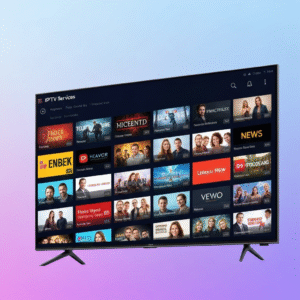
When discussing free IPTV, it is important to distinguish between two main types of free content. The first type consists of established, legal, ad-supported platforms (like Pluto TV, Plex, or Tubi, which often use IPTV technology for delivery) that offer organized channel layouts. The second type involves content aggregated from various publicly broadcast or copyright-free sources, typically compiled into a single M3U playlist file.
These M3U playlists are essentially comprehensive lists of stream URLs that can be loaded into an external IPTV player app (such as VLC Player, Kodi, or dedicated IPTV smarters). These streams often include channels that are already free-to-air in their country of origin (public broadcasters, international news, religious channels) but are now digitized and accessible globally via the internet.
The technological foundation makes the experience highly personalized. Since all processing and channel decryption (if necessary) is handled by the user’s streaming device and application, switching between vast channel lists becomes seamless, requiring little more than a stable broadband internet connection.
The Lure of Stunning Free Channels
The phrase “stunning best channels” in the context of free IPTV refers less to massive premium movie libraries and more to the quality, accessibility, and sheer variety of content that is available around the clock.
Global News and Information Hubs
One of the greatest benefits of free IPTV aggregations is immediate access to international news. Users can instantly tune into live feeds from organizations worldwide, including various public broadcasters spanning Europe, Asia, and the Americas. This provides a deep, unfiltered look at global events, often bypassing geo-restrictions or requiring specific satellite equipment. For students and those interested in international affairs, this access is invaluable.
Entertainment and Movie Offerings
While blockbuster hits remain typically locked behind paywalls, the free IPTV sector excels in two key areas: classic media and genre-specific channels. Free services frequently feature dedicated movie channels focusing on specific decades (e.g., 1950s cinema), niche interests (Westerns, B-horror films), animation for children, and syndicated reruns of beloved classic television shows. Many of these services operate on a rotational basis, constantly refreshing their lineup to keep the offerings engaging without premium expense.
Niche and Specialty Content
Beyond general entertainment, the true uniqueness of these services lies in the niche offerings. This includes 24/7 feeds dedicated entirely to cooking demonstrations, electronic sports (eSports) replays, specialized fitness classes, and high-quality documentaries on nature or history. For users with very specific hobbies or interests, free IPTV often provides content they could never find efficiently through traditional cable packages.
—
Navigating the Landscape of Free IPTV Services
Because the “free” environment is decentralized, finding reliable and high-quality channel lists can be challenging. Success depends heavily on the tools used and an understanding of key safety considerations.
Essential Devices and Apps
To enjoy Free IPTV Services, a user needs three primary components: a source list (the M3U file or app), a player, and a stable internet connection.
1. Streaming Devices: Android TV Boxes, Amazon Fire Sticks, and Chromecast devices are the most popular choices due to their compatibility with popular IPTV player apps.
2. IPTV Player Apps: Programs such as Tivimate, IPTV Smarters Pro, or simple media players like VLC can take the stream URLs from the M3U list and display them in a user-friendly TV guide interface (EPG). These apps often have free versions sufficient for basic viewing.
The Importance of Safety and Legality
A crucial aspect of viewing free IPTV is recognizing the risk involved with unregulated streams. While many free channels are openly published and perfectly legal (e.g., promotional channels, public domain content), some aggregated lists may illegally include copyrighted terrestrial broadcasts.
To maintain digital safety, users should always practice caution when sourcing M3U files from unknown websites. Furthermore, using a Virtual Private Network (VPN) is highly recommended. Not only does a VPN help bypass geographical restrictions that some legal free channels impose, but it also encrypts traffic, protecting the user’s identity and data from potentially questionable third-party hosts.
—
Tips for Maximizing Your Quality Experience
Maximizing the quality of free channels often boils down to preparation and source verification:
1. Prioritize Known Platforms: If possible, start with established, dedicated free streaming apps, even if they aren’t labeled strictly as “IPTV.” They offer the highest reliability and guaranteed legality.
2. Check Stream Bitrates: Content quality (HD vs. SD) is dependent on the original source stream. If the stream quality is poor, changing players or internet speed will not fix the issue. Seek out M3U lists known for including high-bitrate links.
3. Ensure Bandwidth: Streaming high-definition content requires significant bandwidth. Ensure your home network is capable of handling consecutive streams without buffering, typically meaning a download speed of at least 10–15 Mbps per simultaneous stream.
Ultimately, free IPTV services offer a revolutionary opportunity to customize your viewing experience and save money. By focusing on legal sources, utilizing proper streaming hardware, and maintaining digital security, anyone can tap into a surprising wealth of stunning international and niche television content.
Related posts

Best IPTV Apps for Effortless Streaming
Choosing the right IPTV player is the key to great streaming, and our simple app installation guides make the setup process a breeze. Lets find you the perfect app for an effortless and enjoyable entertainment experience.
Free IPTV Services: Must-Have Best Channels
The game has changed: premium entertainment no longer requires a pricey subscription, and grainy streams are a thing of the past. Today, top **Free IPTV Services** deliver legitimate, high-quality platforms packed with must-have live channels, making cord-cutting simpler than ever.